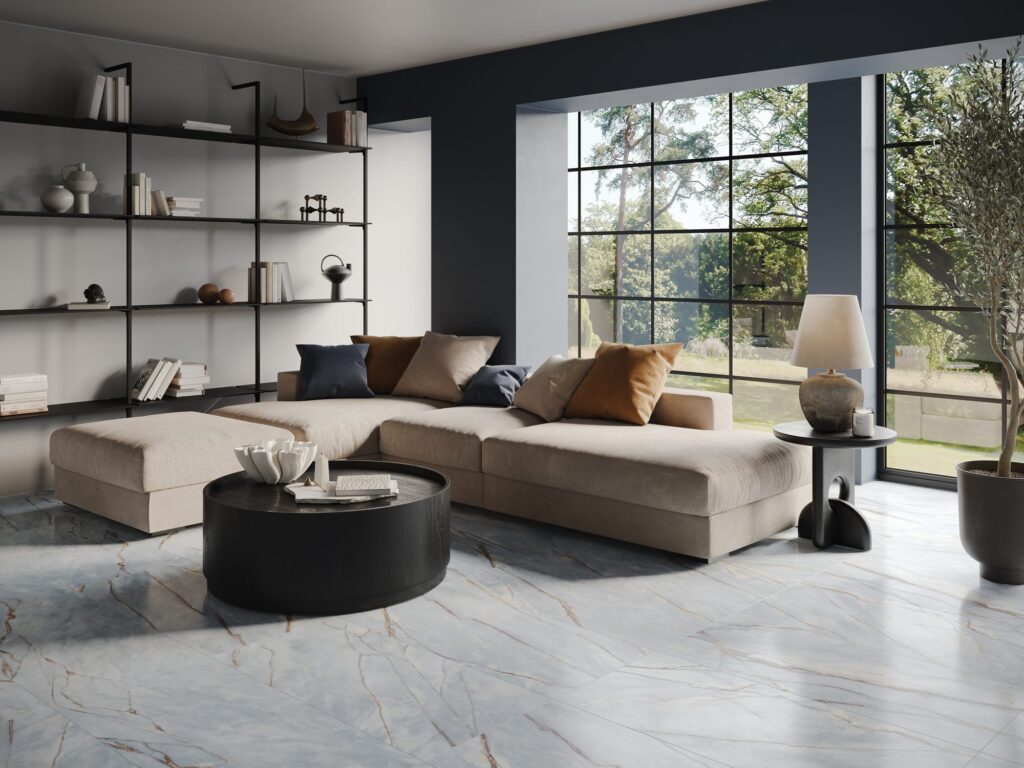
Porcelain for floors, wet areas, and anything outdoors. Ceramic for walls and backsplashes in dry rooms, where it does the same job for less money. That’s the short answer on porcelain vs ceramic tile, and it rarely changes from one project to the next.
The two words get used loosely because they’re close relatives. Both are clay tiles fired in a kiln. Porcelain is a denser version of ceramic, not a separate material, and that one difference drives everything else.
The rest of this page covers which material belongs where, what each one costs, and what to read off the box before you buy. There’s more to a floor than the visual.
What is the actual difference between porcelain and ceramic tile?
Porcelain is made from finer clay, pressed denser, and fired hotter and longer, which is why it absorbs far less water than ceramic. Everything else about ceramic vs porcelain tile comes back to that.
| Porcelain | Ceramic | |
|---|---|---|
| Material and firing process | Finer clay mixture, pressed denser, fired hotter and longer | Clay, sand, and water, fired at lower temperatures |
| Water absorption rate | 0.5% or less | Above 0.5%, more porous |
| Density and hardness | Denser and harder | Softer and lighter |
| Cutting and installing | Harder to cut, slower to install | Easier to cut and install |
| Typical cost | Higher, on material and labor | Lower |
| Where it belongs | Floors, showers, wet areas, outdoors | Walls and backsplashes in dry rooms |
The industry standard that defines porcelain, ANSI A137.1, sets water absorption at 0.5 percent or less. Tile that absorbs more than that is sold as ceramic, and it’s more porous. ASTM C373 is the test behind that number. You’ll see that code on the spec sheet.
Density drives every other difference. A less porous tile lets less water in, so it holds up on wet floors and outdoors. Two tiles can both be sold as porcelain and still perform and install very differently, so don’t trust the label alone.
Which tile should you use in a shower or wet area?
Porcelain tile on the shower floor. That’s the wettest floor in a house, and ceramic absorbs more water than I want on it. Same answer for a bathroom floor. Either material works on the shower walls, and ceramic is a good value there. For the floor, pick a small format or textured tile with a slip rating meant for barefoot wet areas.
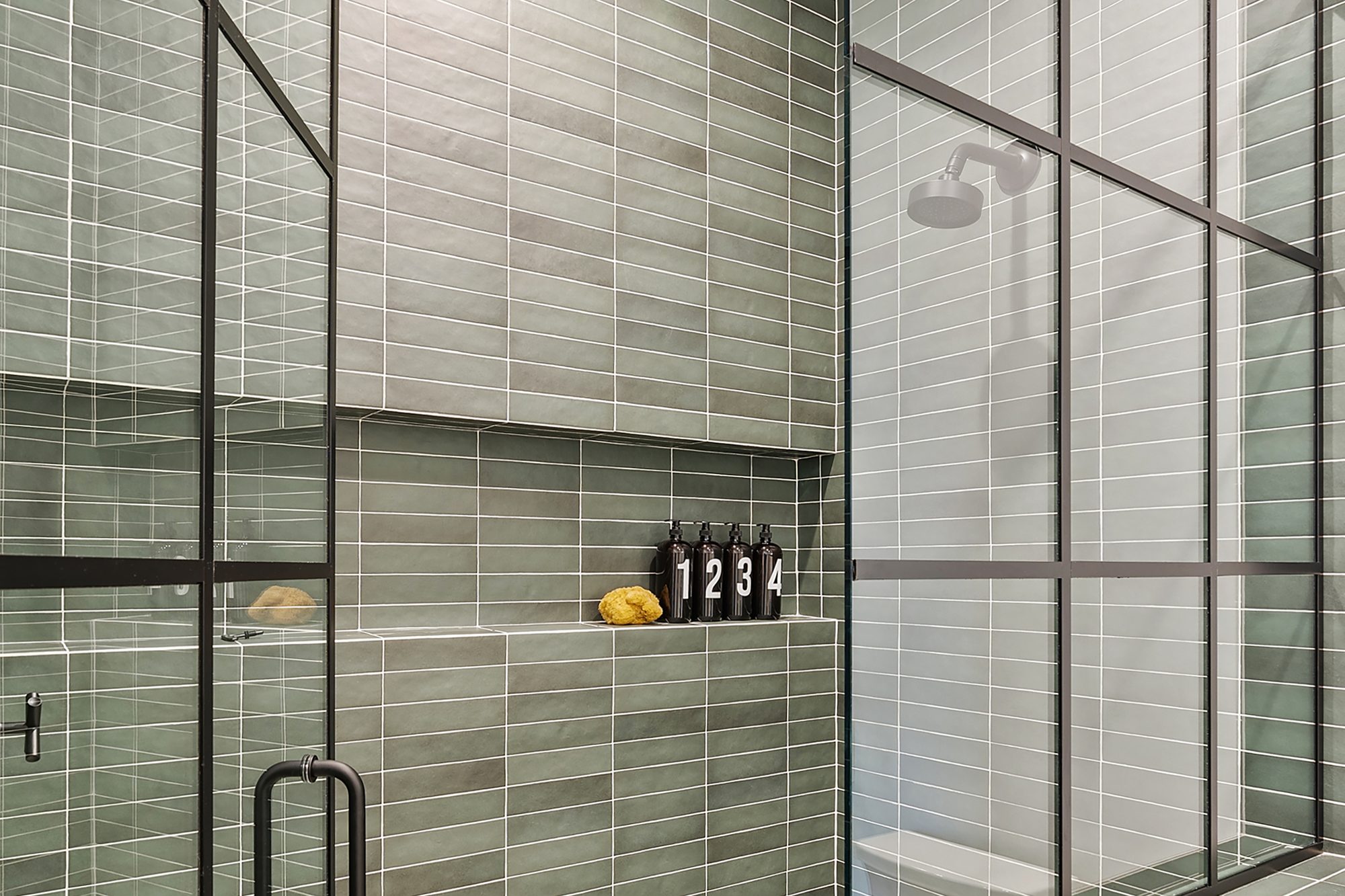
The tile is not the waterproofing. A waterproof membrane behind the tile is what keeps water out. For a bonded membrane, the sheet or liquid kind applied right behind the tile, the Tile Council of North America’s shower methods call for one that meets ANSI A118.10. Ask whoever is building your shower which membrane they’re using. A shower stays dry because of that membrane and everything around it: the corners and seams, and every spot where a pipe or fixture passes through. Low absorption helps. But water resistance isn’t waterproofing, and no tile makes a shower waterproof on its own.
The waterproofing, the slope, and the drain all get decided before any tile goes up, along with the wall prep, the niches, the benches, and the curbs. I review tile as an assembly. The tile is the last piece of it.
This is why showers fail. Usually it isn’t the wrong tile. It’s an assembly nobody planned.
Mold is part of the same problem. It can grow under porcelain tile, or any tile. Trapped water in the assembly is what feeds it, and in Florida humidity, a wet assembly doesn’t get much chance to dry out.
Correcting failed installations is a real part of my work. Right the first time. Or the second time, if we’re replacing somebody’s faulty work.
ANSI A326.3, the slip standard for tile, was revised in 2022. It rates a wet tile by its DCOF, or dynamic coefficient of friction. DCOF is grip on a wet surface. An interior floor that gets wet with shoes on needs 0.42 or greater. For a barefoot area like a shower floor, the standard doesn’t set a minimum. It leaves that to the manufacturer, so choose a tile with the manufacturer’s “Interior, Wet Plus” classification. The standard itself says the number compares surfaces and doesn’t predict whether someone will slip. Treat it as a minimum, not a promise, and look for it on the spec sheet.
Which tile is better for floors and high-traffic areas?
Porcelain, in almost every case. Main floors, entryways, hallways, kitchens, anywhere that gets heavy foot traffic. Ceramic tile is durable, but it’s softer, so I’d keep it to a low-traffic interior floor like a guest bedroom.
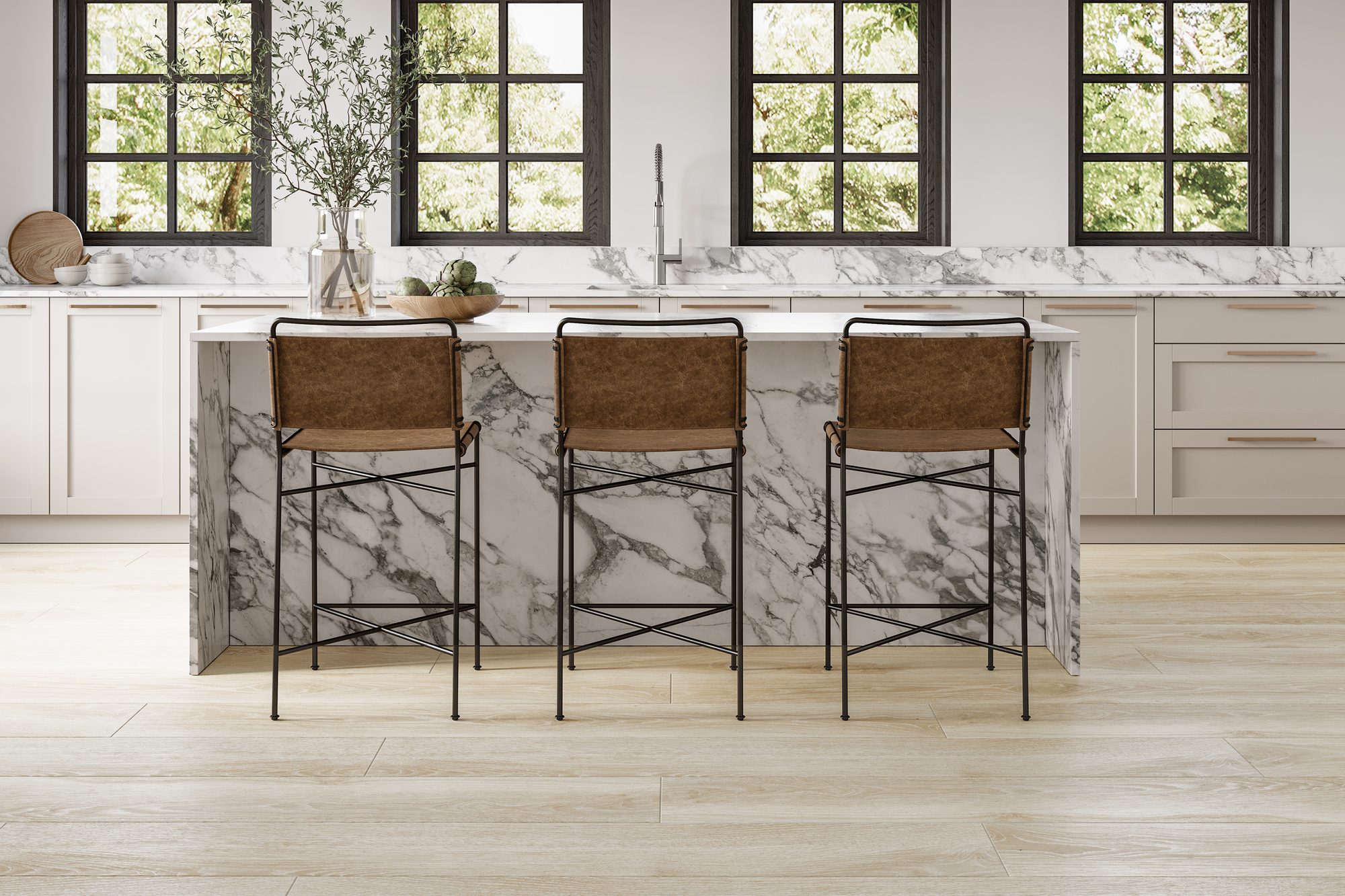
The rating to read is PEI, the wear rating for glazed tile. The test runs an abrasive wheel across the glaze until it shows wear, and that sets the class. PEI rates surface wear, not strength and not cracking. The scale runs from Class 0 to Class 5:
- Class 0: walls only, not rated for foot traffic
- Class 1: walls and very light barefoot residential use, no abrasive dirt
- Class 2: light traffic, like bathrooms and bedrooms
- Class 3: ordinary residential floors, kitchens, laundry rooms, and mudrooms
- Class 4: heavier residential traffic, and light commercial
- Class 5: the heaviest wear, like schools and hospitals
For a normal floor, Class 3 or higher. Entryways and busy kitchens are better at 4. PEI only rates glazed tile, so a missing number on unglazed or through-body porcelain isn’t a red flag.
Porcelain tile is harder and denser, so it resists chips and wear better. That durability is why it outlasts ceramic on a floor that gets used. But a cracked floor tile is usually a problem with the surface underneath, not a tile problem.
I repaired a floor for an elderly customer. It was failing because of a poor original installation. Before I touched anything, we spent half an hour on why it was failing and exactly how I’d fix it, so she felt confident first.
So before you buy tile, ask two things about the floor it’s going on: what is the tile going over, and is that surface flat enough for the tile you want? Whoever gives you a number for the install should be able to answer both.
Can you use porcelain or ceramic tile outdoors?
Exterior-rated porcelain tile. Standard ceramic absorbs more water and doesn’t handle weather well, so it’s the wrong call outdoors, including a patio.
In a hot, wet, coastal climate like Flagler County’s, three things decide an exterior tile: slip resistance when the surface is wet, sun and the movement that heat causes, and drainage. For slip, look for tile the manufacturer has classified “Exterior, Wet” under ANSI A326.3. Freeze and thaw, the usual worry, barely applies here.
Outdoors, I’m looking at exposure, slope, drainage, movement, and slip, not just a tile picked for looks.
Which tile is better for walls and backsplashes?
Ceramic, usually. This is the one place where the less expensive material is often the better call.
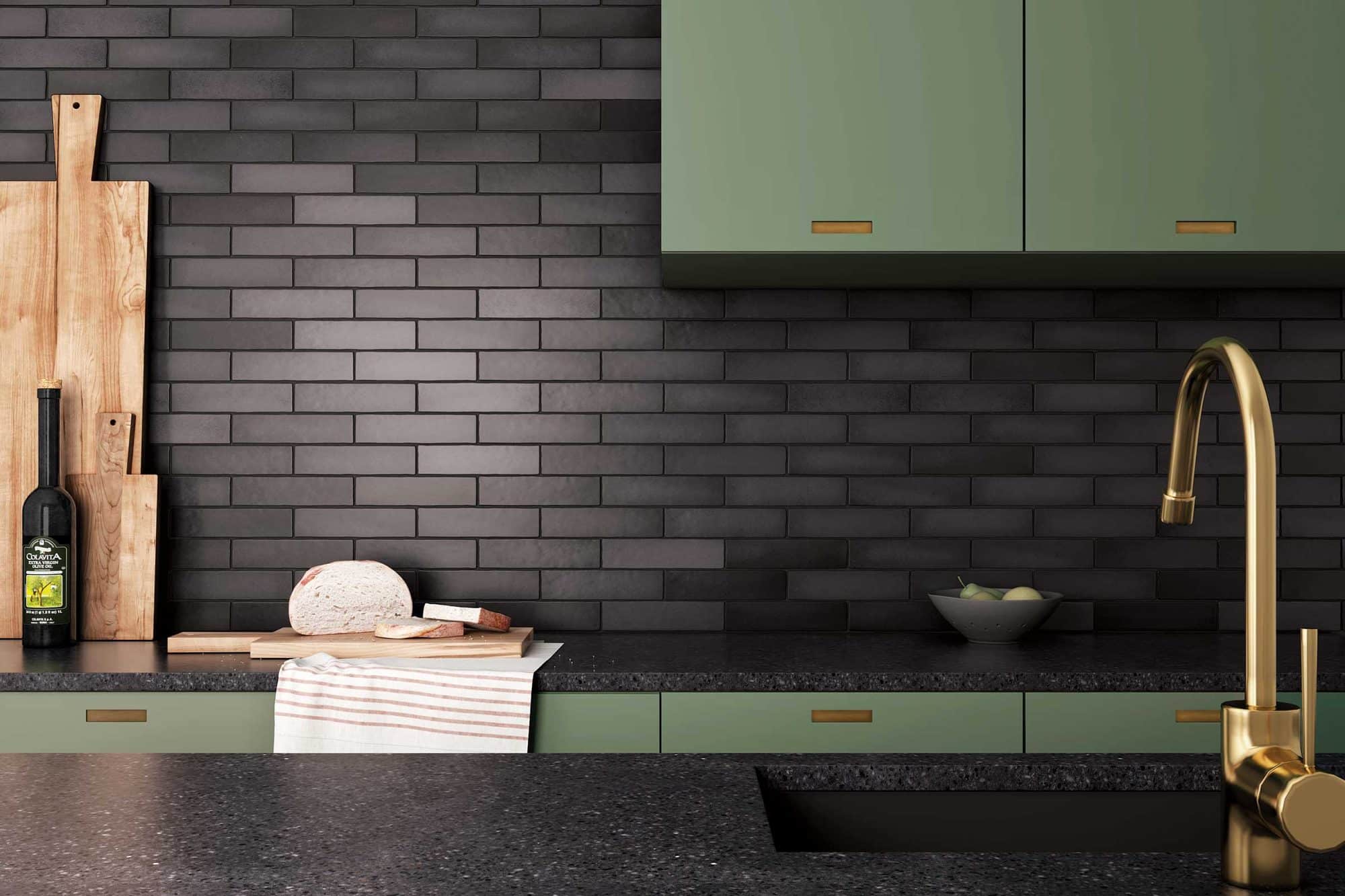
A kitchen backsplash or a bathroom wall outside the shower gets almost no wear and no standing water, so porcelain’s durability isn’t buying you anything. Ceramic wall tile is lighter, and weight counts on a vertical surface. It’s also easier to cut into the small, intricate pieces a backsplash needs, and it comes in a wider range of design options.
If you want a particular tile and it happens to be porcelain, that’s a fine reason to use it. Porcelain isn’t wrong on a wall or too heavy for one, just not necessary.
What does porcelain cost compared to ceramic, and why?
Porcelain costs more, on both the material and the labor. The gap is usually worth it on floors and in wet areas, and usually isn’t on a dry-room wall.
Angi’s 2026 porcelain versus ceramic cost guide puts ceramic tile at $5 to $10 per square foot for materials and porcelain at $10 to $15. Those are national material ranges, not my pricing. Installed cost runs higher for porcelain too.
Porcelain is denser, so it’s harder to cut. Cutting it takes more time and specialized tools: a good wet saw with the right blade. That’s also why DIYers reach for ceramic. The higher installed cost isn’t a markup. It’s time and tooling.
Spend the premium where the water and the traffic are, and save it where they aren’t. A guest bathroom floor still gets wet, so porcelain there is money well spent. The walls of that same bathroom don’t need it.
How can you tell porcelain and ceramic tile apart?
Often you can’t, at least not by looking. Glazed porcelain and glazed ceramic can look identical, which is why the spec sheet matters.
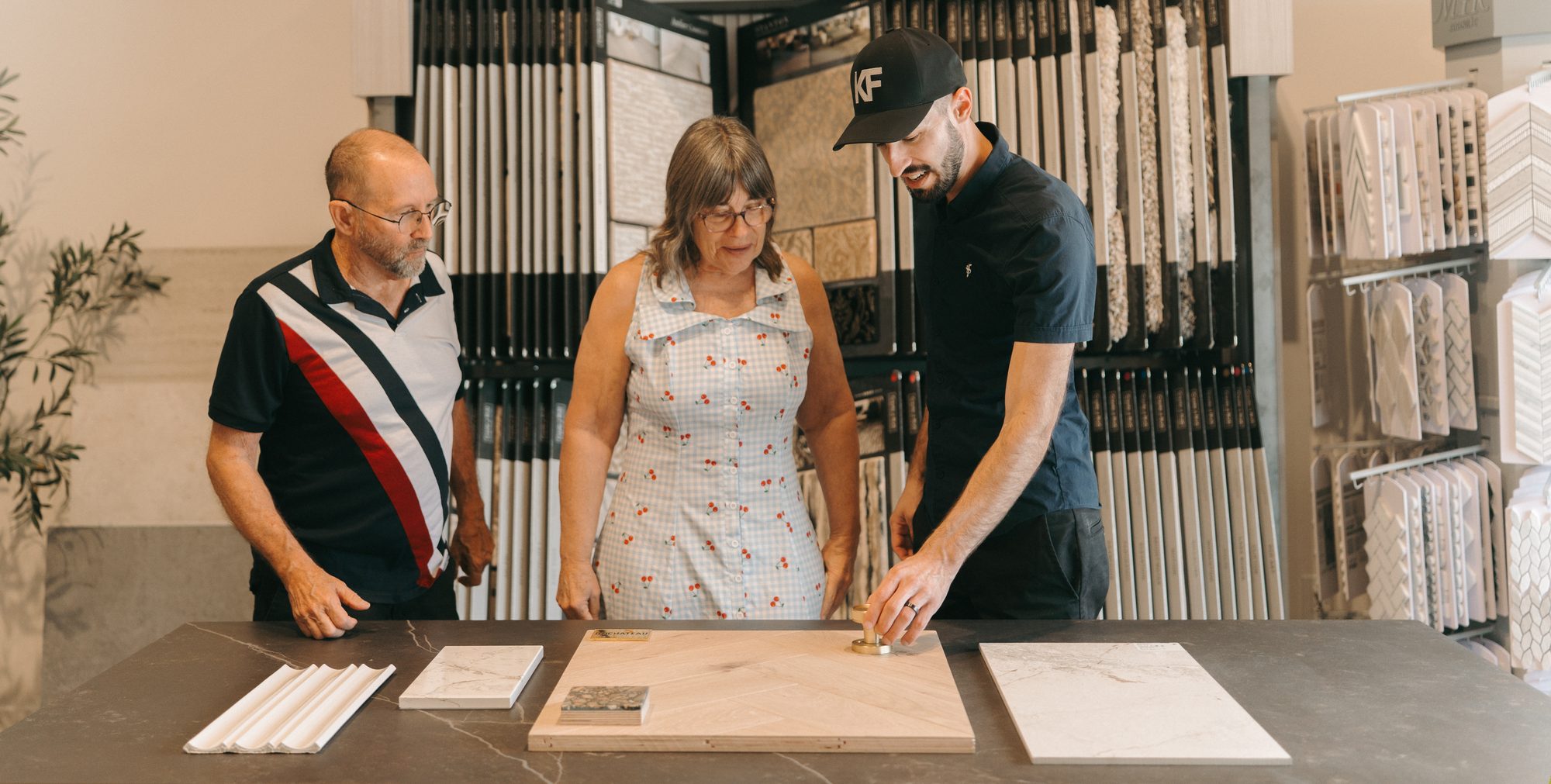
Two visual checks partly work. On the unglazed edge or back, porcelain’s body usually runs closer to the surface color, while ceramic’s is often paler or reddish. Porcelain is also heavier in the hand. Neither is reliable on its own.
Not all porcelain is colored all the way through. Many porcelain tiles have a printed or glazed surface, just like ceramic, so a chip can show a different color underneath. If chip visibility matters, ask for through-body or color-body porcelain.
Before you buy, read four things off the box or the spec sheet:
- Water absorption. 0.5 percent or less is porcelain, per ANSI A137.1.
- PEI class, the wear rating for glazed tile. Class 3 or higher for an ordinary floor.
- DCOF slip rating, if the tile is going anywhere wet. Per ANSI A326.3: 0.42 or greater on an interior floor that gets wet with shoes on, and the manufacturer’s “Interior, Wet Plus” classification for a shower floor or “Exterior, Wet” for outdoors.
- What the tile is rated for. Floor, wall, or exterior.
What are the disadvantages of porcelain and ceramic tile?
Porcelain’s drawbacks are cost, weight, and how hard it is to cut. Ceramic’s are water absorption and a softer surface that wears faster. They’re different problems, and both are real.
With porcelain, the cost lands twice, on material and on labor, because a harder tile takes longer to cut and install. And unless it’s through-body, a chip can show a different color underneath.
Ceramic tile is more porous, so it absorbs more water, and that rules it out on wet floors and outdoors. It’s softer, so it chips and wears faster under real traffic. It’s a durable tile in a dry, low-traffic spot and a worn one in a busy hallway.
Both are hard underfoot and cooler than most other flooring. Both are unforgiving of a poor surface underneath.
Does porcelain or ceramic tile need to be sealed?
Glazed porcelain and glazed ceramic tile don’t need sealing. The grout usually does, and unglazed or natural-finish tile may. The glaze is already the stain-resistant layer, so there’s nothing to seal on top of it. Unglazed tile doesn’t have one.
Upkeep for the tile itself is short: routine sweeping or vacuuming and a neutral pH cleaner. Porcelain and ceramic clean the same way. The grout is the part that actually needs attention, and the part people neglect.
Start your plan with Kyler
Choosing between porcelain and ceramic is the easy part. The hardest part is matching the tile to the space, the surface underneath, and how it’ll be installed. That’s what the planning process here is for. By the time my team shows up, they’re following a plan, not making decisions on the fly. Let’s talk about your project.